

The way we learn has undergone a monumental shift in recent times, with online education emerging as a powerful force reshaping the traditional classroom experience. While convenience and accessibility are often cited as its primary advantages, the virtual learning landscape presents a complex tapestry of benefits, challenges, and evolving trends that deserve closer examination.
Unveiling the Advantages:
The allure of online education lies in its undeniable advantages:
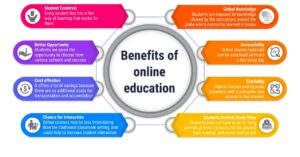
- Flexibility and Convenience: Learners can access courses anytime, anywhere, at their own pace, seamlessly fitting education into busy schedules.
- Global Reach: Geographical barriers melt away, granting access to diverse instructors and programs beyond local limitations.
- Personalized Learning: Adaptive technologies can tailor course content and pace to individual needs, catering to various learning styles.
- Cost-Effectiveness: Online education eliminates commuting costs and often features lower tuition fees compared to traditional programs.
- Scalability and Accessibility: Courses can reach a wider audience, democratizing access to knowledge for populations with limited educational opportunities.
Facing the Challenges:
Despite its potential, online learning presents certain hurdles:
- Self-Discipline and Motivation: Learners require strong self-discipline to stay focused and complete coursework without the in-person structure of a classroom.
- Technology Dependence: Reliable internet and digital literacy are essential for participation, posing challenges for those with limited access or skills.
- Social Interaction and Collaboration: The virtual environment can hinder opportunities for building peer relationships and collaborating on projects, which are vital aspects of learning.
- Potential for Distraction: Distractions in the home or work environment can disrupt learning and reduce focus compared to a controlled classroom setting.
- Quality Assurance and Accreditation: Identifying credible online programs and ensuring quality standards can be challenging for learners in the vast online landscape.
Charting the Trends:
As online education matures, exciting trends are shaping its future:
- Micro-credentials are rising: Tailored, short courses for specific skills are popular, meeting the need for continual learning and upskilling.
- Incorporating VR and AR: These immersive technologies are set to revolutionize online learning, providing engaging, interactive experiences mirroring real-world scenarios.
- Adaptive Learning Platforms: Algorithms personalize learning paths based on progress and performance, offering a tailored and efficient learning experience.
- Gamification and Interactivity: Adding game mechanics and interactive elements boosts engagement and makes learning enjoyable.
- Blended Learning Models: Combining online and offline elements allows for personalized learning journeys that leverage the strengths of each approach.
Looking Ahead:
Online education doesn’t aim to replace traditional classrooms; instead, it provides a complementary and adaptable learning avenue. By recognizing its advantages, challenges, and evolving trends, learners and educators can utilize this transformative force to create personalized, engaging, and accessible learning experiences for all.